
Have you ever looked up at the night sky and wondered, how did Mars get its name? I used to think planets were named randomly, but when I started exploring astronomy and mythology, I realized there’s a deep story behind it.
From ancient warriors to red skies filled with symbolism, Mars has one of the most fascinating naming histories in our solar system.
In this guide, you’ll discover Mars name origin, why Mars is called the red planet, and the mythological connection between Roman and Greek gods. We’ll also explore how ancient civilizations viewed Mars and how modern science explains its famous red color.
How Did Mars Get Its Name? 🏛️
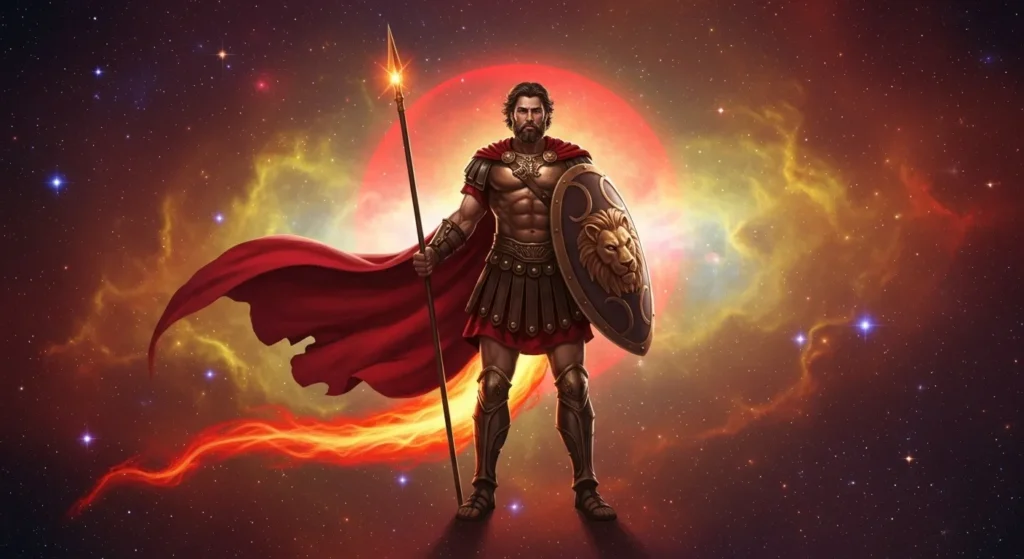
The name Mars comes from Mars, the Roman god of war.
Why this name?
Ancient Romans noticed that:
- Mars had a blood-like red color
- It moved differently than stars (wandering planet)
This red appearance reminded them of:
- War
- Bloodshed
- Power
So they named it after their god of war.
👉 This directly answers the popular query:
why was Mars named after the god of war
Greek Name for Mars ⚔️
In Greek mythology, Mars is equivalent to Ares.
Mars vs Ares Mythology:
- Mars (Roman) → disciplined, honorable warrior
- Ares (Greek) → chaotic, aggressive god
So when people search:
👉 Greek name for Mars
The answer is: Ares
Why Is Mars Called the Red Planet? 🔴

This is one of the most searched questions:
👉 why is Mars called the red planet
Scientific Explanation:
- Mars surface contains iron oxide (rust)
- This gives it a reddish-orange color
Symbolic Meaning:
Ancient people saw this color as:
- Blood
- Fire
- War
So both science and mythology explain Mars’ identity.
Mars Name Origin in Different Cultures 🌍
1. Roman Civilization 🇮🇹
- Named after Mars (god of war)
- Associated with military power
2. Greek Civilization 🇬🇷
- Called Ares
- Represented violence and chaos
3. Babylonian Culture 🏺
- Mars was linked to Nergal
- Symbol of destruction and plague
4. Ancient Astronomers 🔭
- Observed Mars for centuries
- Noted its unusual motion and color
Mars Mythology Origin 🧠
Mars has always been connected to:
- War ⚔️
- Strength 💪
- Aggression 🔥
This is why many people search:
👉 Mars mythology origin
👉 Mars symbolism war blood
In Roman culture:
- Mars was also a protector of agriculture
- Not just destruction, but also growth
Connection Between Mars and Calendar 📅
Did you know?
The month March is named after Mars.
- Latin name: Martius
- Dedicated to the Roman god Mars
- Marked the beginning of war season in ancient Rome
👉 This answers: Mars influence on calendar March
How Planets Got Their Names 🌌
Many people ask:
👉 how planets got their mythological names
The System:
- Ancient civilizations named visible planets
- Based on gods and mythology
- Later standardized by the
International Astronomical Union
Examples:
- Mercury → messenger god
- Venus → goddess of love
- Mars → god of war
Mars Cultural Significance 🌍
Mars has played a role in:
- Astrology
- Warfare symbolism
- Literature and movies
It represents:
- Masculinity
- Power
- Conflict
Mars Scientific Facts 🔬
Key Characteristics:
- Thin atmosphere
- Largest volcano: Olympus Mons
- Possible ancient water presence
Mars Exploration:
- Studied by rovers and orbiters
- Important for future human missions
Mars vs Ares: What’s the Difference? ⚖️
| Feature | Mars (Roman) | Ares (Greek) |
| Nature | Strategic warrior | Violent fighter |
| Symbolism | Discipline | Chaos |
| Cultural role | Respected | Feared |
👉 Popular keyword covered: Mars vs Ares mythology
Evolution of Planet Naming 🧬
Over time:
- Early names came from mythology
- Modern naming is scientific
- Still influenced by ancient traditions
👉 Covers: planet naming traditions history
Why Planets Are Named After Gods 🏛️
Ancient people believed:
- Planets were divine beings
- Their movement had meaning
So they used:
- Religion
- Mythology
- Cultural beliefs
👉 Covers: why planets named after gods
Conclusion :
The Greek name for Mars is Ares, the god of war. Ancient observers connected the planet’s reddish hue with blood and conflict, giving it a mythological identity that persists to this day. Across civilizations, Mars has represented war, strength, and protection.
Today, Mars is more than a name it’s a bridge between science, culture, and history, connecting us with the ancient sky watchers who first looked up in wonder.

Emily Cooper is a passionate writer who specializes in baby names, meanings, and cultural origins. She creates simple, helpful, and engaging content to help parents choose the perfect name for their little ones. She writes exclusively for Namemeaningg.com.