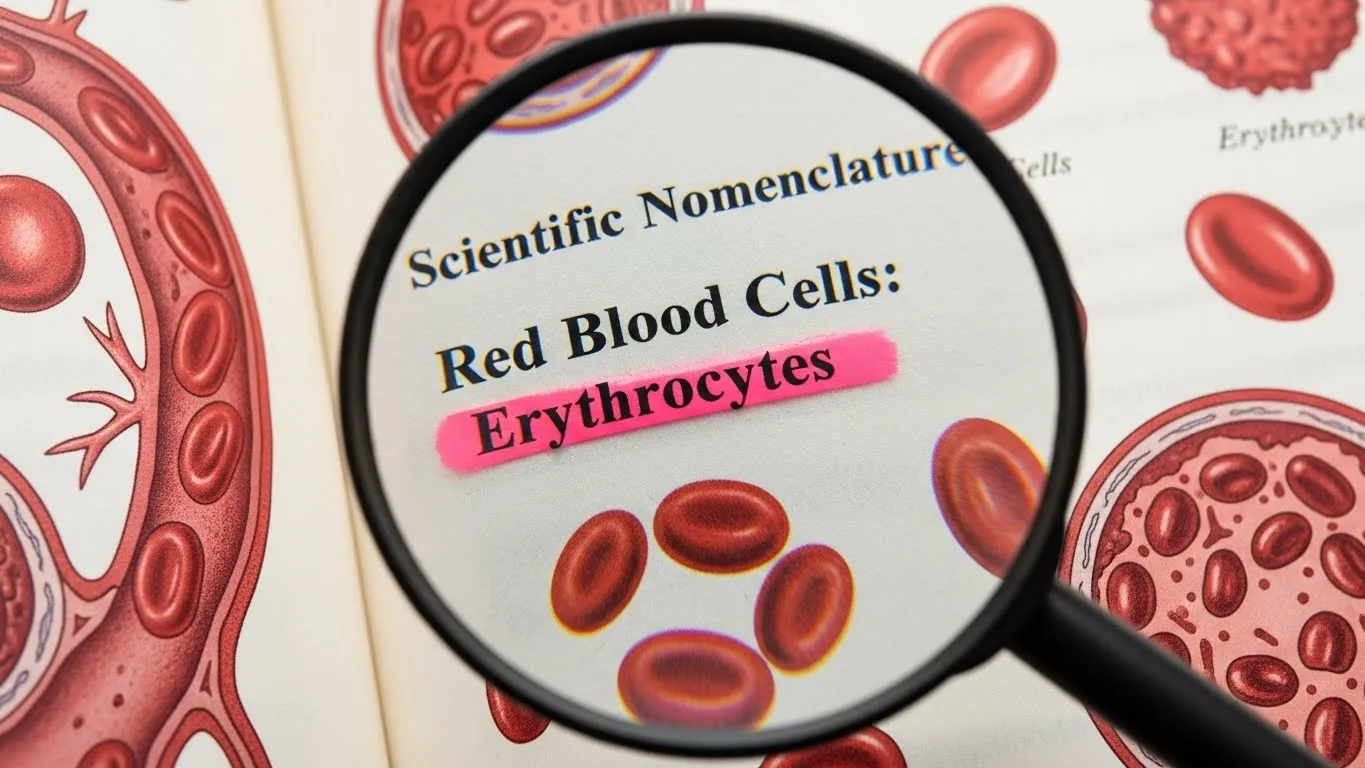
I still remember the day I first came across the term scientific name for red blood cells. I was reading a health article when suddenly this unfamiliar word appeared, and honestly, it stopped me right there.
At that moment, I felt confused and a little frustrated. I wanted a clear answer, not a textbook definition that made things harder to understand.
So, I decided to dig deeper. I started researching, reading biology sources, and breaking down complex terms into plain English.
Slowly, everything began to make sense. I realized that the scientific name for red blood cells isn’t scary at all once you understand what it really means and why scientists use it.
That experience taught me something important. When we face confusing scientific terms, the problem isn’t our intelligence it’s how the information is presented.
That’s why I’m sharing this with you today. If you’ve ever wondered about the scientific name for red blood cells and felt stuck like I did, you’re in the right place.
I’ve already gone through the confusion, and now I’m here to explain it to you in a clear, simple, and human way.
🩸 What Are Red Blood Cells?
Red blood cells are the most abundant cells in your blood. Their main job is to carry oxygen from your lungs to the rest of your body and bring carbon dioxide back to the lungs for removal. They are essential for life because without oxygen transport, our organs and tissues cannot survive.
Red blood cells are unique because they don’t have a nucleus like other cells. This makes more room for hemoglobin, the protein that binds and carries oxygen.
🧬 Scientific Name of Red Blood Cells
The scientific name for red blood cells is Erythrocytes.
- Erythro- comes from the Greek word for “red.”
- -cyte means “cell.”
So, erythrocytes literally mean “red cells.” Scientists and doctors use this term in research papers, medical reports, and laboratory tests. Knowing the scientific name is helpful for understanding medical literature and biology textbooks.
⚙️ Structure of Red Blood Cells
Red blood cells are shaped like biconcave discs, which means they are thinner in the middle and thicker at the edges. This shape increases the surface area to carry more oxygen.
Other key features:
- No nucleus – more room for hemoglobin.
- Flexible – can pass through tiny blood vessels.
- About 7–8 micrometers in diameter.
Their structure makes them perfectly suited for their main function: transporting oxygen efficiently.
💪 Functions of Red Blood Cells
Red blood cells have several important functions:
- Oxygen transport – Carry oxygen from lungs to tissues.
- Carbon dioxide removal – Bring CO2 back to the lungs.
- pH balance – Help maintain proper blood acidity.
- Nutrient transport – Support other blood components.
- Blood viscosity – Contribute to the thickness of blood.
These functions are essential for survival, making RBCs tiny heroes inside your body.
🧪 How Red Blood Cells Are Produced (Erythropoiesis)
Red blood cells are produced in the bone marrow, the spongy tissue inside your bones. This process is called erythropoiesis.
- Starts with a stem cell.
- Develops into a mature erythrocyte.
- Stimulated by the hormone erythropoietin, produced in the kidneys.
On average, your body produces 2 million red blood cells per second, which shows how important they are.
🔬 Lifespan of Red Blood Cells
Red blood cells live for about 120 days. After that, they are broken down in the spleen and liver. Hemoglobin is recycled, and new RBCs are produced to replace old ones.
Because RBCs have no nucleus, they cannot repair themselves, which is why their lifespan is limited. Maintaining a healthy lifespan of RBCs is crucial for oxygen delivery.
🩺 Importance of Red Blood Cells in Health
Red blood cells are key indicators of overall health. Low RBC count can cause anemia, leading to fatigue and weakness. High RBC count can strain the heart and increase the risk of blood clots.
Regular blood tests can monitor RBC count, hemoglobin levels, and overall function. Healthy RBCs ensure:
- Efficient oxygen transport
- Proper energy levels
- Good organ function
⚖️ Disorders Related to Red Blood Cells
Several health conditions are linked to red blood cells:
- Anemia – Low RBC or hemoglobin levels.
- Sickle Cell Disease – Abnormally shaped RBCs.
- Thalassemia – Genetic disorder affecting hemoglobin.
- Polycythemia – High RBC count.
- Iron Deficiency – Leads to fewer healthy RBCs.
Understanding these disorders helps in early detection and treatment.
🧾 Funny Facts About Red Blood Cells
- They are produced at a rate of 2 million per second.
- They make up about 40–45% of blood volume.
- Red blood cells are flexible enough to squeeze through tiny capillaries.
- Hemoglobin gives RBCs their red color.
- They carry billions of oxygen molecules every day.
🌡️ How to Maintain Healthy Red Blood Cells
Keeping your RBCs healthy is simple with proper lifestyle choices:
- Eat iron-rich foods: Spinach, red meat, lentils.
- Vitamin B12 & Folate: Essential for RBC production.
- Stay hydrated: Blood volume depends on water balance.
- Avoid smoking: Protects RBC function.
- Exercise regularly: Supports healthy oxygen levels.
These small steps can improve your RBC health and overall well-being.
📝 Conclusion
Red blood cells, or erythrocytes, are tiny but mighty. They transport oxygen, maintain blood pH, and keep your body alive.
From their unique structure to their production in the bone marrow, RBCs are essential for good health. Disorders like anemia and sickle cell disease remind us of their importance.
By eating well, staying hydrated, and exercising, you can keep your red blood cells in top shape.
Remember, understanding the scientific name and functions of RBCs helps you appreciate these amazing cells even more. Share this knowledge and stay informed about your health!

Olivia Carter is a passionate name researcher and content writer at NameMeaningg.com. She specializes in exploring the origins, meanings, and cultural stories behind names from around the world. With a clear and engaging writing style, Olivia helps readers discover beautiful and meaningful names for their children, characters, and personal inspiration.